What Happens Before the First Coat of Exterior Paint
The part of a paint job you never see is the part that decides how long it lasts.
September 30, 2026 · 4 min read
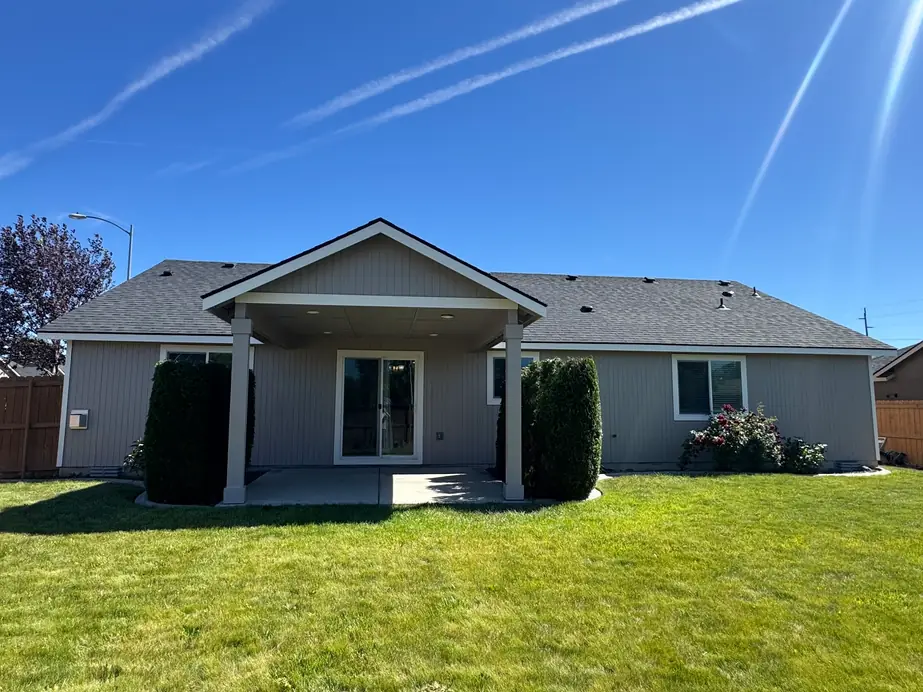
When a painting crew shows up at your house, the first day or two can look like anything but painting. There are hoses, scrapers, sanders and rolls of paper and tape. That is not a slow start. On an exterior job, preparation is most of the work, and it is the main reason one paint job lasts and another peels.
Paint only lasts as long as what it sticks to
A coat of paint is a thin layer that has to bond to the surface under it. If that surface is dirty, chalky, loose or damp, the new paint bonds to the problem instead of the wall. It looks fine for a while, then lifts in sheets.
Smile-A-Mile Painting says it directly on their site: it costs more to properly prepare a surface for painting than to give it a quick coat. That sentence explains most of the difference between one painting bid and another, and it is worth remembering when you compare quotes.
Step one: wash
Pressure washing removes dirt, dust, cobwebs, mildew and the chalky residue that sun leaves on siding. Anything left on the wall becomes a barrier between the wall and the new paint. The water also shows you what is really going on, because loose paint lifts and failing areas stand out once the grime is gone.
Washing has to be done with some judgment. Too much pressure can gouge soft wood or force water behind siding, and the surface then needs time to dry before anyone scrapes, caulks or paints. That waiting is part of why a proper job can't be rushed into a single afternoon.
Scrape, sand, caulk and repair
Anything that is already peeling has to come off. Scraping removes loose and flaking paint down to a sound edge. If you paint over it, the new coat will only hold as well as the old paint underneath, and that old paint has already shown it will let go.
Sanding follows. It smooths the rough edges left by scraping so they don't telegraph through the new finish as ridges. It also dulls glossy surfaces such as old trim and doors, because a slick finish gives fresh paint very little to grip. Wood that has weathered to gray gets sanded back to a surface that will accept primer.
Gaps are how water gets into a house. Caulk seals the joints where trim meets siding, where boards meet at corners and around windows and doors. Old caulk shrinks and splits in our dry heat, so it gets cut out and replaced rather than painted over.
Repairs belong here as well. Smile-A-Mile describes its construction repair work as a way to reseal and protect your home. Kevin Law, one of their customers, wrote that the crew also helped get issues resolved with his gutters and fascia. Damaged wood left in place will fail under any paint, so it is better handled before the color goes on.
Step four: prime
Primer does two jobs. It gives the topcoat something solid to bond to, and it seals bare wood, stucco patches and repaired spots so they don't soak up paint unevenly. Skip it, and bare areas show through as dull blotches even after two finish coats.
Not every square foot needs primer, but every bare or repaired spot does. Knowing which is which is the kind of judgment that comes from doing the work on a lot of houses.
Step five: mask and protect
Only after all that does the masking happen. Smile-A-Mile says it masks using a combination of paper, plastic and tape, and that when the job is finished it cleans up its materials and takes its garbage with it. Cindi Abbott, a customer, described the crew going from power washing through scraping and caulking and finally painting, and said they papered and taped off everything, even the concrete and asphalt driveway.
That level of care is what keeps paint off your windows, walkways and landscaping. Kevin Law noted the crew was very clean, with no overspray, and very precise. You can see the benefit of masking in the finished lines where siding meets trim and trim meets glass.
Ask any painter what they do before the first coat, and ask for it in writing. A good answer names washing, scraping, sanding, caulking and priming, and explains which surfaces get which. Smile-A-Mile's process has a dedicated Prep and Paint stage, and their estimators send a detailed proposal by email covering the process, the products and the price.
If you would like to talk through what your house needs, call Smile-A-Mile Painting at (509) 987-4774 and schedule an estimate.
Smile-A-Mile Painting, (509) 987-4774
Call (509) 987-4774More articles
What Tri-Cities Sun, Heat and Wind Do to Your Exterior Paint
Eastern Washington weather wears on paint in predictable ways, and knowing the pattern tells you when to act.
Choosing Exterior Colors That Hold Up in Tri-Cities Light
A color that looks right on a small chip indoors can read very differently on a full wall in August sun.